
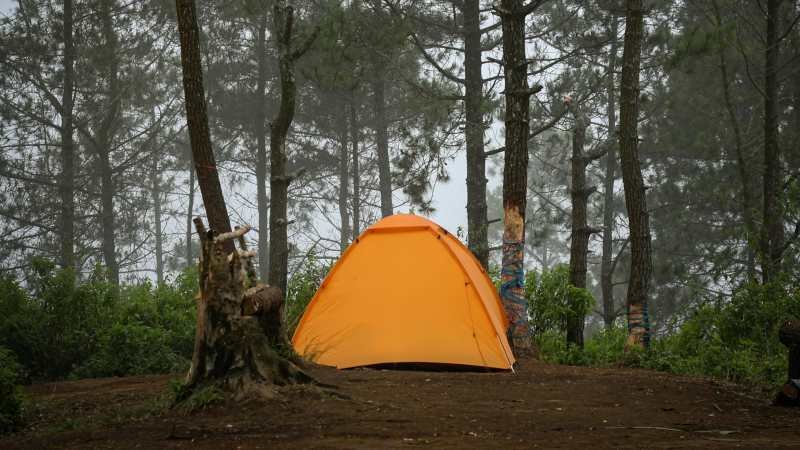
A reliable tent can make or break any outdoor trip. Whether you are heading into the mountains or setting up camp in a quiet forest, your shelter plays a central role in how comfortable and safe you feel. Many first-time campers underestimate this and choose a budget option, only to deal with leaks, broken poles, or poor insulation when conditions shift. Those small issues quickly add up and can disrupt the entire experience.
Planning means thinking beyond price and focusing on long-term performance. A durable tent holds up against wind, rain, and repeated use without constant repairs or replacements. This is especially important for people who camp often or stay out for extended periods. In those cases, having access to gear designed specifically for rugged use becomes essential.
Material Integrity: Choosing Rugged Fabrics That Last
The material of your tent plays a major role in how well it performs in real-world conditions. Canvas stands out for its durability and natural temperature regulation, which makes it a reliable option for long-term or seasonal camping. It holds up well against wear and continues to perform in both hot and cold environments. In contrast, synthetic fabrics like polyester or nylon are lighter and easier to carry, but they often sacrifice long-term strength for portability. For campers who want gear built for extended use, companies like Wall Tent Shop serve as a strong example, offering premium canvas tents designed for durability in demanding outdoor conditions.
When comparing materials, it is important to look beyond just the fabric type. Details such as high-denier ratings, reinforced stitching, and UV-resistant coatings all contribute to how long a tent will last. These features work together to prevent tearing, fading, and gradual weakening from repeated exposure. If you plan to camp often or in rough conditions, choosing stronger materials from the start will help you avoid early replacements and unexpected damage.
Structural Stability: Frames That Withstand the Elements
A tent’s structure is just as important as its fabric. Strong frames made from steel or aluminum provide reliable support and hold their shape under pressure. These materials are less likely to bend or snap compared to fiberglass poles, especially during strong winds or heavy use. A stable frame keeps the tent upright and maintains tension across the fabric, which improves overall performance.
Wind resistance is another key factor to consider. Features like secure guy lines, reinforced anchor points, and thoughtful design all help the tent stay grounded in tough conditions. A well-built structure distributes force evenly, reducing strain on any single point. This not only improves safety during storms but also extends the life of the entire setup.
Weatherproofing: Staying Dry in Unpredictable Conditions
The weather can change quickly, and your tent needs to keep up. Waterproof ratings give you a clear idea of how much rain a tent can handle, with higher numbers offering better protection. However, waterproof fabric alone is not enough. Seam sealing plays a critical role in preventing water from entering through stitched areas, which are often the weakest points.
Additional features, such as full rainflies and durable coatings, provide another layer of defense. These elements help direct water away from the tent and keep the interior dry. Choosing a tent with strong weatherproofing ensures that you stay comfortable even during extended rain. It also reduces the risk of moisture damage to your gear, which is essential for longer trips.
Ventilation vs. Insulation: Balancing Comfort in Any Climate
A well-designed tent should keep you comfortable in a range of weather conditions. Ventilation plays a key role, especially in warmer climates. Mesh panels, roof vents, and adjustable windows allow air to circulate, reducing condensation inside the tent. Without proper airflow, moisture can build up quickly, making the interior feel damp and uncomfortable even when it is not raining.
At the same time, insulation matters when temperatures drop. Thicker fabrics like canvas help retain heat, making a noticeable difference during cold nights. Some tents offer adjustable features that let you control airflow based on the weather. This balance between ventilation and insulation ensures that your shelter adapts to your environment instead of working against it.
Floor Durability: Protecting Against Ground Hazards
The tent floor often takes the most damage, yet it is easy to overlook. A durable floor should be thick enough to resist punctures from rocks, sticks, and uneven ground. Waterproof materials are equally important, as they prevent moisture from seeping in after rain or from damp soil. A weak floor can quickly lead to discomfort and damage to your gear.
Adding a groundsheet or footprint is a simple way to extend the life of your tent. This extra layer absorbs impact and reduces direct wear on the base. Reinforced corners and double-layered construction also improve durability. If you camp frequently, paying attention to the floor design will save you from repairs and replacements down the line.
Hardware Quality: Small Details That Make a Big Difference
The smaller components of a tent often determine how reliable it feels during use. Heavy-duty zippers are essential because they handle constant opening and closing. Poor-quality zippers tend to snag or break, compromising the entire structure. Smooth operation and strong stitching around these areas add to the overall durability.
Other hardware elements, such as grommets, buckles, and stakes, should also be built to last. Reinforced grommets prevent tearing when the tent is under tension, while sturdy stakes keep everything anchored in place. These details may seem minor at first, but they directly affect how well your tent performs in real conditions.
Ease of Setup and Long-Term Usability
A durable tent should not be difficult to use. Clear setup systems, such as color-coded poles or simple frame designs, make a big difference when you are setting up camp in less-than-ideal conditions. Quick, efficient assembly lets you focus on your surroundings rather than struggle with instructions.
Long-term usability also depends on how easy it is to maintain and repair the tent. Replaceable parts, accessible components, and straightforward designs extend the life of your gear. When a tent is both strong and practical, it becomes something you can rely on for years rather than just a few trips.