
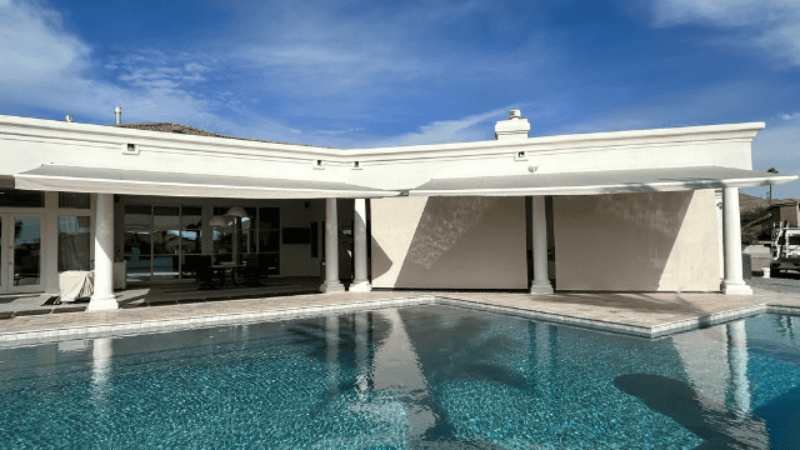
Arizona’s climate has always shaped how people build and operate, but today’s conditions are pushing businesses to think more carefully about space, shade, and efficiency. Longer periods of extreme heat are exposing the limits of traditional layouts and forcing a more practical, results-driven approach. Business owners are looking for ways to reduce costs, improve comfort, and make better use of every area they control. These changes are not just about staying cool, they directly affect how customers experience a space and how employees perform throughout the day. When temperatures continue to rise, what else can businesses do but adapt?
Why Arizona Businesses Are Rethinking How They Use Space
Extreme heat has always been part of life in Arizona, but rising temperatures and longer summers are pushing businesses to rethink how they use every square foot. Spaces that once worked fine are now becoming difficult to maintain, especially during peak afternoon hours. Business owners are paying closer attention to how heat builds up, where people gather, and which areas go unused. This shift is not just about comfort, it directly affects customer flow, employee performance, and overall efficiency. As a result, layout decisions are becoming more intentional and climate-aware.
Many businesses are also moving toward flexible designs that can adapt throughout the day. Morning, midday, and evening conditions can feel very different, so spaces need to adjust accordingly. Indoor areas are being optimized for cooling efficiency, while outdoor areas are being redesigned to stay usable for longer periods. Even overlooked spaces like rooftops, courtyards, and side areas are being reconsidered as valuable assets. The goal is simple: make every part of the property work harder without increasing energy use.
Shade Isn’t Just Comfort, It’s a Smart Business Move
Shade is no longer seen as a basic add-on but as a key part of business strategy in hot climates. Without proper shade, outdoor areas quickly become unusable, limiting how businesses can serve customers or use their space. Adding shade allows businesses to extend operating hours, especially during the hottest parts of the day. It also creates a more inviting environment that encourages people to stay longer. In many cases, shade directly translates into higher engagement and better overall experiences.
There are many ways to introduce effective shade, from built structures to natural solutions. The right approach depends on the type of business, available space, and long-term goals. Well-designed shade can reduce surface temperatures significantly, making a noticeable difference in comfort levels. It also protects furniture, equipment, and materials from sun damage, reducing maintenance costs over time. Businesses are increasingly treating shade as a long-term investment rather than a short-term fix.
Cutting Energy Costs Without Sacrificing Comfort
Cooling costs are one of the biggest operational expenses for businesses in Arizona. As temperatures rise, air conditioning systems have to work harder and run longer, driving up energy bills. This has led many businesses to explore ways to reduce heat gain before it enters the building. Simple adjustments like better insulation, reflective roofing, and strategic ventilation can make a significant difference. These changes help maintain comfortable indoor temperatures without relying entirely on mechanical cooling.
Smart energy systems are also becoming more common, allowing businesses to monitor and adjust usage in real time. Instead of cooling entire buildings uniformly, systems can focus on high-use areas and reduce output where it is not needed. This targeted approach improves efficiency while maintaining comfort for customers and employees. Over time, even small improvements can lead to substantial savings. Businesses that invest in efficiency early are often better positioned to handle long-term energy costs.
Outdoor Spaces Are No Longer an Afterthought
Outdoor areas are increasingly being treated as core parts of business operations rather than secondary spaces. In many cases, patios and exterior zones are becoming primary service areas, especially when designed with heat in mind. Businesses are recognizing that well-designed outdoor spaces can increase capacity without requiring major construction. This is particularly valuable in locations where indoor expansion is limited or costly. As a result, outdoor design is becoming more intentional and functional.
Designing for extreme heat requires more than just adding seating outside. Surfaces, materials, airflow, and shade all need to work together to create a usable environment. Businesses are also focusing on aesthetics, as attractive outdoor spaces tend to draw more attention and encourage longer visits. When done correctly, these areas can remain comfortable even during warmer parts of the day. This shift is changing how businesses think about space, turning outdoor areas into reliable, revenue-generating assets.
Designing with the Arizona Climate, Not Against It
Trying to fight the desert climate often leads to higher costs and less effective results. Instead, many businesses are designing spaces that work with local conditions rather than against them. Many businesses are also turning to local remodeling experts such as Cabinet Coatings who understand how to adapt layouts specifically for Arizona’s climate. Their experience with heat management, materials, and space optimization often leads to more practical and cost-effective solutions. Orientation plays a key role, as even small adjustments can reduce how much sunlight enters a space. These decisions help create more stable and manageable environments.
Landscaping is also being used as a practical tool rather than just a visual feature. Drought-tolerant plants, strategic tree placement, and ground coverings can all help reduce surrounding temperatures. These choices require less water and maintenance while still improving comfort levels. By combining thoughtful design with climate-appropriate materials, businesses can create spaces that perform better over time. This approach supports both efficiency and long-term sustainability.
Keeping Employees Comfortable (and Productive)
Employee comfort is becoming a central focus, especially in environments where heat can quickly affect performance. High temperatures can lead to fatigue, reduced concentration, and lower overall productivity. Businesses are recognizing that a well-designed workspace can help prevent these issues. Cooling systems, airflow, and access to shaded or temperature-controlled areas all play a role. When employees feel comfortable, they are more likely to stay focused and work efficiently.
Break areas and flexible workspaces are also gaining importance. Providing shaded outdoor zones or cooler indoor retreat areas allows employees to recover during the day. This can be especially valuable in physically demanding roles or customer-facing positions. Comfortable environments also contribute to better morale and lower turnover rates. In a competitive job market, these factors can make a meaningful difference.
Is It Worth the Investment? Looking at the Bigger Picture
Upgrading spaces for better shade and efficiency often comes with upfront costs, which can make some businesses hesitant. However, many of these improvements pay off over time through lower energy bills and reduced maintenance. Durable materials, better layouts, and efficient systems tend to last longer and require fewer repairs. This makes them more cost-effective in the long run. Businesses are increasingly viewing these upgrades as investments rather than expenses.
There are also financial incentives that can help offset initial costs, depending on the type of improvements being made. Energy-efficient upgrades and sustainable design choices are often supported by rebates or financing options. Beyond direct savings, these changes can also improve customer perception and employee satisfaction. A comfortable, well-designed space can attract more visitors and encourage repeat business. When all factors are considered, the long-term value often outweighs the initial investment.
Conclusion
Rethinking space, shade, and efficiency is no longer a niche concern but a necessary shift for businesses operating in Arizona. Smart design choices, better use of outdoor areas, and improved energy management are helping businesses stay functional and competitive in a demanding environment. These adjustments often start small but can lead to meaningful improvements in cost control, comfort, and overall performance. As expectations continue to evolve, businesses that invest in practical, climate-aware solutions are better positioned for long-term stability. If these changes already deliver measurable benefits today, what might they mean for the next decade?