
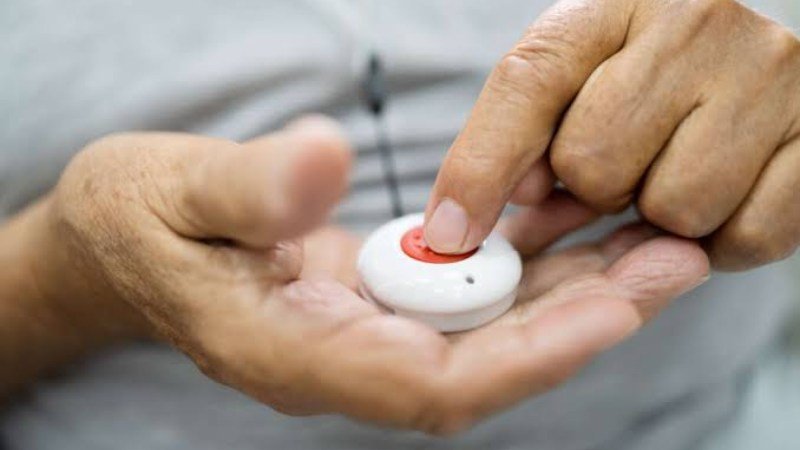
In today’s fast-paced world, home safety has become a critical concern for many families. Emergency call buttons are making a significant impact on how people, especially seniors and individuals with medical needs, use them. Emergency call buttons are simple yet powerful devices that have gained popularity for their ability to quickly connect users to emergency services. By pressing a single button, someone in distress can help alert responders and get help even if they are unable to speak or move. This technology not only increases safety but also supports independent living for those who may otherwise require constant supervision. As more families recognize the value of these systems, manufacturers have been integrating advanced features such as automatic fall detection and GPS tracking. Such innovations are not just making emergency response faster; they are also helping to make daily life safer and more manageable for high-risk groups. This shift from basic call buttons to comprehensive monitoring systems is reshaping home safety standards worldwide. Furthermore, the application of emergency call buttons extends beyond private residences. From use in healthcare settings and assisted living facilities to support for home care workers, the growing adoption of this technology underscores its importance in modern-day safety strategies.
Introduction to Emergency Call Buttons
Emergency call buttons, often known as personal emergency response systems (PERS), are designed to provide a lifeline when minutes matter most. Users can activate the device easily in situations such as falls, medical emergencies, or home intrusions. Originally, these devices required a manual press to contact a monitoring center. Today, they are engineered with sophisticated sensors and connectivity options to make help more accessible and immediate.
Technological Advancements in Emergency Call Systems
Emergency call systems have rapidly progressed over the last decade, shifting from basic button-press devices to smart, feature-rich tools. The most notable improvements include:
- Automatic Fall Detection: Devices with motion sensors can detect sudden falls, automatically triggering alerts even if the user is unconscious or unable to press the button. This advancement addresses a critical concern, as falls are the leading cause of injury among adults over 65, according to the Centers for Disease Control and Prevention.
- GPS Tracking: With built-in location technology, responders can pinpoint the user’s location, whether they are at home or outside. This feature is vital for older adults who are still active or for individuals prone to wandering.
- Water Resistance: Modern call buttons often feature water-resistant designs, allowing users to keep them on at all times, including in bathrooms or outdoors, which are common spots for accidents.
These upgrades are making emergency call buttons far more reliable and flexible for use across a variety of scenarios, meeting the evolving needs of today’s diverse user groups.
Benefits of Using Emergency Call Buttons
The introduction of emergency call buttons into the home can be life-changing. The immediate availability of help not only prevents potentially disastrous outcomes but also brings a range of social and psychological benefits:
- Enhanced Safety: Quick access to emergency services decreases wait times and can reduce the severity of injuries or complications during medical crises.
- Greater Independence: For seniors and those with disabilities, these devices enable a level of autonomy that may not otherwise be possible, reducing the need for round-the-clock supervision.
- Peace of Mind for Families and Caregivers: Family members and caregivers can go about their day knowing their loved one has a safety net, which also helps alleviate stress and anxiety related to caregiving.
These multifaceted benefits improve quality of life, allowing individuals to maintain their routines and dignity while staying safe.
Real-Life Applications and Success Stories
The adoption of emergency call buttons is expanding beyond traditional home use. For example, the University of Michigan Health-Sparrow has introduced a panic button program for home care workers, enabling them to summon help while visiting patients in unfamiliar settings. This proactive approach has been credited with reducing risks and increasing staff confidence. More about this program can be found in this news article. Wearable technology is also making it easier for emergency personnel to receive rapid alerts from individuals in distress. These real-time systems are being used not only in private homes but also in workplaces and assisted living facilities, bridging critical gaps in emergency management.
Choosing the Right Emergency Call System
Selecting an emergency call button system should be a thoughtful process that considers the user’s lifestyle, health, and personal preferences. Consider these important factors:
- Key Features: Identify whether options like GPS tracking, automatic fall detection, or water resistance are necessary for your situation.
- User-Friendliness: The system should be simple to operate, even for those with limited technical knowledge.
- Monitoring Service Reliability:Assess the quality and reputation of the monitoring center backing the device. Check response times and coverage details.
- Affordability: Compare costs and fees to ensure the system fits your budget, without sacrificing crucial features.
By considering these aspects, families and individuals can make an informed decision that optimizes both safety and peace of mind.
Conclusion
Emergency call buttons are redefining what it means to be safe at home. With advanced features, proven reliability, and increasing accessibility, these systems represent a smart investment in personal safety. They offer reassurance to families, foster independent living for vulnerable individuals, and adapt to diverse needs. By keeping pace with the latest advancements and choosing the right system, anyone can take a proactive step toward a safer, more secure home environment. Many modern devices also include wearable options, automatic fall detection, and 24/7 monitoring services, ensuring help can be reached even when the user cannot respond. As technology continues to improve, these solutions are becoming more user-friendly and widely available, further strengthening home safety and peace of mind for all ages.