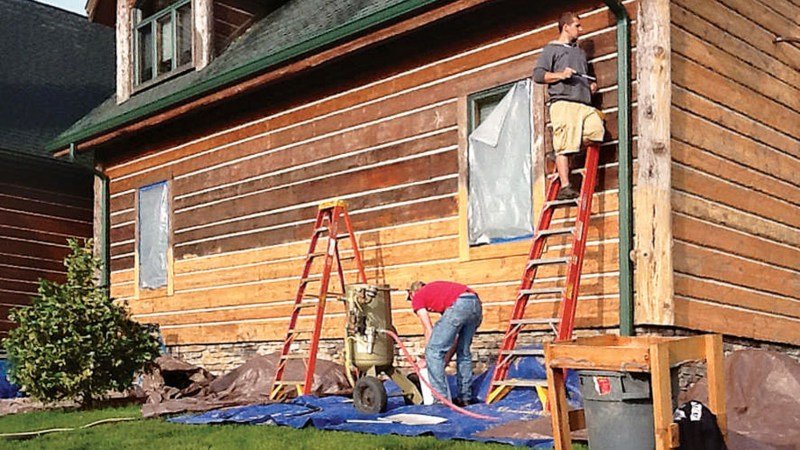
Log homes present unique structural challenges that demand immediate attention. Issues like uneven floors, misaligned doors, and sagging rooflines, if left unaddressed, can culminate in pricey repairs.
Cracks, also referred to as checks, frequently develop in aging wood. While common, they can facilitate moisture intrusion, highlighting the need for vigilant monitoring and timely maintenance to protect the logs’ integrity.
Hidden threats lurk in the form of pests such as termites and woodpeckers, which can quietly wreak havoc on log homes. Consequently, annual pest inspections are crucial to thwart infestations and avoid substantial repair expenses.
Preparing for each season is essential in maintaining a log home. Inspecting logs, caulking, and sealers prior to seasonal changes can significantly extend the life of the home.
It’s critical to select the appropriate treatment, like oil-based stains, to ensure both aesthetic appeal and longevity for log homes. Utilizing proper application techniques can markedly improve outcomes.
In cases involving complex issues such as structural repairs or pest problems, consulting with professionals can ensure effective and safe solutions, thereby sidestepping the potentially high costs of flawed DIY attempts.
Engaging in proactive maintenance enhances the energy efficiency of log homes, lowers overall repair expenses, and can elevate property value, making it a wise financial commitment.
Identifying Common Log Home Issues That Demand Attention
Signs of Structural Weakness in Your Log Home
While log homes exude a distinct charm, they come with particular challenges. Experts often pinpoint specific warning signs of structural weakness. Ignoring these issues can lead to escalating repair costs. Common signs include uneven floors, misaligned doors, and windows, along with sagging rooflines. When these symptoms arise, addressing them quickly can prevent more extensive damage later.
What about settlements? It’s normal for log homes to settle over time due to the weight of the logs and changing environmental factors. However, problematic shifts can occur under certain conditions, so homeowners should monitor their properties closely. If any cracking appears or if logs start to separate, an immediate inspection becomes vital.
- Examine settled areas near foundations.
- Look for gaps between logs, particularly at the corners.
- Pay attention to whether doors and windows are sticking during operation.
Cracks and Checks: Understanding Wood Aging
Aging wood can have its own beauty, but it’s not without concern. As logs mature, cracks — often termed checks — develop. Although these don’t usually signal serious issues, they are signs of the wood’s natural aging. Experts note that while minor checks may be unavoidable, deeper cracks can invite moisture, which might jeopardize structural integrity.
“Monitoring wood for health signs is non-negotiable for log home preservation.”
To tackle these concerns, vigilance is essential. Scheduling regular inspections, particularly after severe weather, is recommended. It’s wise to utilize specialized wood fillers or treatments that can help maintain log health while allowing them to breathe.
- Monitor moisture levels during inspections.
- Use breathable finishes to prevent trapped moisture.
- Regularly apply sealants to keep water at bay.
Pest Problems: The Hidden Threats to Your Cabin
The most significant dangers can often be hidden from plain sight. Pests such as termites and woodpeckers pose a concealed threat to log homes, presenting risks that can sneak up on homeowners. Unfortunately, many may not become aware of an infestation until the damage has already been done.
Professionals recommend conducting annual pest inspections to mitigate these dangers. Treatment solutions can vary, but proactive measures generally prove less expensive than repairing damaged wood. It’s advisable to consult with pest control specialists to find effective yet safe treatments.
- Plan for annual pest inspections.
- Consider eco-friendly deterrents as preventive strategies.
- Seal all potential entry points to minimize infestation risks.
Essential Steps for Effective Log Home Maintenance
Seasonal Prep: Protecting Your Logs Year-Round
When it comes to log home maintenance, seasonal preparation is crucial. Each season presents unique challenges that log homeowners must navigate. For instance, winter brings ice and snow, which can lead to significant damage, while summer heat can dry out logs, making them more prone to cracking.
Adopting a proactive approach is important. Homeowners should inspect their logs before each season, ensuring to check caulking, sealers, and stains that might need reapplication. Engaging in this simple practice can help prolong the lifespan of the home by preventing unnecessary damage.
- Inspect logs regularly for any signs of wear.
- Reapply sealants ahead of rainy seasons.
- Keep gutters clear to prevent water accumulation.
Choosing the Right Treatment for Longevity
Selecting the right treatment is vital for preserving the beauty and integrity of a log home. Not every treatment is equal; some may offer a quick solution but could compromise longevity. It’s important to choose a stain or sealant that aligns with both aesthetic preferences and protective needs. Prioritizing brands with proven track records is critical.
“The right treatment is not just about looks; it’s about longevity.”
Research indicates that natural oil-based stains frequently provide superior protection compared to synthetic options. Clients often report better longevity with high-quality products. Learning the correct application techniques can also lead to significantly enhanced results.
- Opt for oil-based stains for long-lasting results.
- Adhere closely to application guidelines for optimal outcomes.
- Consider UV protection in the chosen stain.
DIY vs. Professional Help: When to Call the Pros
Managing log home repair can feel overwhelming. Homeowners often find themselves questioning when to engage in DIY projects versus hiring professionals. While many maintenance tasks—like staining or simple inspections—can be handled independently, more complex issues such as structural repairs or pest infestations usually necessitate expert assistance.
Evaluating the severity of the problem can guide the decision-making process. If there’s any uncertainty, seeking a professional’s advice can lead to better choices. It’s crucial, after all, to avoid the escalating costs that can result from improper repairs.
- Assess personal skill levels versus the task demands.
- Consult a professional for guidance on significant repairs.
- Consider the long-term costs of DIY approaches thoughtfully.
The Most Effective Repair Techniques for Log Homes
Restoration Methods: What Works Best for Your Logs?
Numerous restoration methods have evolved over the years to address prevalent log home issues. These techniques can range from simple cosmetic upgrades to extensive structural reinforcements. A widely effective approach is the utilization of epoxy fillers, which bond well with wood and offer both structural stability and a degree of moisture protection.
Experts also frequently recommend pressure treatment. This method infuses wood with preservative chemicals under pressure, substantially extending its lifespan. Homeowners have reported positive results from this strategy, especially in older log homes.
- Use epoxy fillers for minor repairs.
- Consider pressure treatment for lasting preservation.
- Engage in routine maintenance to head off major repairs.
Stabilizing and Reinforcing: The Key to Durability
Using stabilization and reinforcement strategies is essential for achieving durability. These methods target weaknesses in the log home’s structural framework, strengthening its overall integrity. Options for reinforcement can include the installation of external braces or internal supports that counteract settling or timber shrinkage. These measures also help maintain proper log alignment, preventing expensive future repairs.
Choosing the right materials, even for small-scale repairs, is critical. Correct fastening techniques can make a significant difference in keeping structural integrity intact over time.
- Implement internal supports wherever necessary.
- Seek professional help for major renovations.
- Monitor log settling on a regular basis.
Maintaining Aesthetics While Ensuring Structural Integrity
Log homes are celebrated for their visual appeal. However, balancing aesthetics with functionality can be tricky. It’s crucial that a focus on looks does not sacrifice structural integrity. Homeowners are encouraged to prioritize both in their renovation projects. For example, matching stains and finishes with the wood’s natural grain not only enhances aesthetic value but also reinforces the wood against external threats.
“Beauty and durability are not mutually exclusive in log home design.”
Experimenting with natural finishes can lead to outcomes that are both solid and aesthetically pleasing. Consulting experts on product combinations and application techniques can help achieve an ideal balance.
- Choose finishes that highlight the wood’s natural beauty.
- Regularly inspect and refresh aesthetic elements.
- Remain mindful of how treatments impact wood health.
Investing in Your Log Home: Long-Term Value and Benefits
Enhancing Curb Appeal: Why First Impressions Matter
A log home that’s well-maintained isn’t just a source of pride; it significantly boosts its market value. First impressions are key when potential buyers assess a property. Attractive logs, well-cared-for landscaping, and a fresh stain create a powerful message about the property’s condition. Professionals underscore that investing in log home maintenance can yield high returns in the real estate sector.
Beyond potential profits is the satisfaction of living in a beautiful, well-kept space. A home that reflects the owner’s pride naturally attracts more interest. Such properties typically sell quicker and at better price points.
- Focus on maintenance before listing the property for sale.
- Improve landscaping to complement the logs.
- Hire professionals for aesthetic enhancements.
Energy Efficiency Boosts through Proper Repairs
Repairing log homes goes beyond just visuals and structural soundness. Notably, proper repairs can substantially enhance energy efficiency. By sealing gaps and improving insulation, homeowners can significantly decrease heating and cooling costs. Weatherization efforts, especially after severe seasons, directly influence how well a home retains energy, leading to longer-term savings.
Experts emphasize that investing in insulation and sealing can lead to noticeable drops in energy bills. Homeowners often find that prioritizing energy efficiency not only benefits their finances but also enhances overall comfort within the home.
- Seal gaps around doors and windows effectively.
- Ensure proper insulation to avert heat loss.
- Invest in energy-efficient appliances following repairs.
The Financial Upsides of Proactive Log Home Maintenance
Generally, investing in proactive log home maintenance proves to be advantageous. Homeowners frequently realize significant long-term savings by addressing minor issues before they develop into major repairs. Keeping the property well-maintained also sustains its value while helping to avoid expensive repairs down the line. Insights from the industry indicate that investments in regular upkeep often yield profits when reselling.
This results in a win-win scenario. Increased stability may also lead to lower insurance premiums, making homeowners more appealing to insurance firms, which can translate into greater savings in various areas.
- Conduct regular maintenance checks to prevent future issues.
- Invest in quality materials for even small repairs.
- Document all enhancements to benefit future resale value.
FAQ
What unique challenges do log homes face in different climates?
Log homes face a variety of challenges based on climatic conditions. In humid regions, moisture can initiate rot and mold, while sunny, dry climates lead to checks and cracking. Recognizing local weather patterns allows homeowners to tailor their maintenance strategies appropriately.
How often should logs be inspected and treated?
Experts advise inspecting logs at least twice yearly. While treatment frequency can vary, a good rule of thumb is reapplying sealants and stains every 3-5 years, contingent on exposure and product type. Regular evaluations are key in keeping logs in top condition.
What are eco-friendly options for log home maintenance?
Numerous eco-friendly options exist in log home maintenance, including natural stains and sealants that have minimal environmental impacts. Homeowners can also consider organic pest deterrents and sustainable materials for repairs, allowing for an environmentally-conscious approach toward home preservation.
Can improvements to log homes increase energy efficiency?
Definitely; such improvements can substantially enhance energy efficiency. Proper sealing and insulation reduce drafts and heat loss, which lead to lower utility expenses. Homeowners who invest in energy-efficient windows and appliances alongside routine maintenance often observe significant benefits.
Are there specific pest control treatments recommended for log homes?
Many pest control experts advocate for integrated pest management (IPM) strategies in log homes. These encompass targeted treatments, like bait systems for termites, combined with preventive measures such as sealing entry points to ensure thorough pest control while minimizing chemical intervention.
How does landscaping affect the log home structure?
Landscaping significantly influences log home integrity. Adequate drainage and planting away from the foundation can help avert moisture issues that contribute to rot. Also, ensuring a healthy distance between soil and logs protects against pest infiltration.
What features should a log home owner look for when hiring a contractor?
When evaluating contractors, homeowners should prioritize those with experience specifically in log homes and an understanding of particular maintenance techniques. Verifying references and the quality of previous work is essential for ensuring the best fit. A knowledgeable contractor can offer tailored solutions, helping to prevent future complications.
How can homeowners maintain the log home’s aesthetic appeal?
Safeguarding aesthetics involves routinely maintaining finishes and ensuring logs are free from dirt and mildew. Homeowners should choose treatments that both enhance the wood’s natural beauty and protect against environmental elements, achieving a harmonious blend of style and function.
Useful Resources
- Log Home Living
- Log Home Builders Association
- National Association of Home Builders
- Cooperative Extension System
- Forest Products Society
- Environmental Protection Agency
- National Pest Management Association
- HomeAdvisor
- HomeScopes