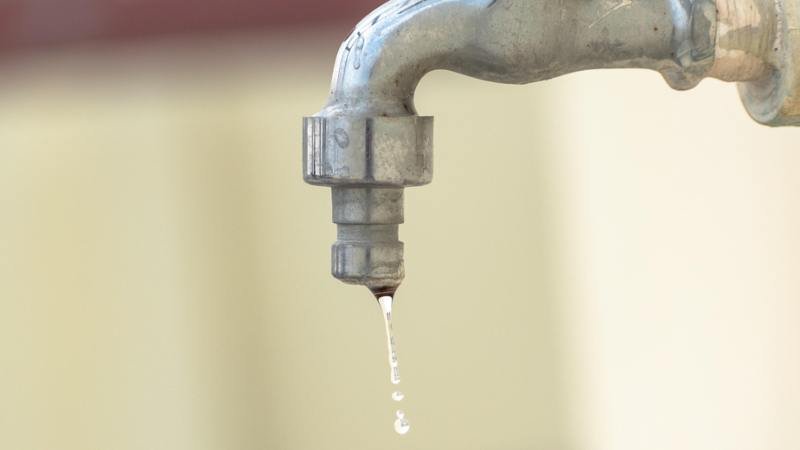
Hidden water leaks are one of the most common causes of long-term damage in residential plumbing systems. Because they develop behind walls, beneath flooring, or inside ceilings, homeowners often do not notice them until the damage becomes obvious. By that time, moisture may already be weakening structural materials, soaking insulation, or spreading into nearby rooms. Even small leaks can lead to serious repair costs if they remain unnoticed for months.
Leaks also create conditions that encourage mold growth. Mold thrives in damp, dark spaces where water slowly accumulates. This can affect indoor air quality and pose health concerns for people living in the home. In regions like northern Pompton Lakes, where seasonal humidity and temperature changes can stress plumbing systems, routine leak awareness is especially important for protecting both the home and the people inside it.
Why Hidden Leaks Are So Difficult for Homeowners to Detect
The biggest challenge with hidden leaks is location. Pipes often run behind drywall, under flooring, and through ceiling cavities. When a small leak forms in these areas, the water spreads slowly and quietly. Homeowners might see discoloration or slight dampness but struggle to determine where the water is coming from.
Many people try to find the source of a leak themselves by checking fixtures or shutting off valves. These steps can sometimes reveal simple surface issues. However, leaks that form behind walls or beneath concrete slabs are much harder to locate with basic inspections. When the source is unclear, professional help is often necessary. If you are based in Pompton Lakes plumbers use specialized leak detection tools to locate the exact source of the problem without tearing into walls or flooring unnecessarily.
The Psychology of the “Hidden Leak”: Why Small Signs Get Ignored
One reason hidden leaks become major problems is that people often dismiss early warning signs. A faint stain on the ceiling or a small patch of peeling paint may not seem urgent. Homeowners may assume the issue is cosmetic or temporary, especially if it does not appear to be spreading quickly.
Daily routines also play a role. When a home is busy, small maintenance issues are easy to postpone. Unfortunately, plumbing problems rarely resolve on their own. A minor leak that goes unchecked can slowly damage drywall, flooring, and framing. Taking small signs seriously helps prevent the need for larger repairs later.
Unexplained Spikes in Your Water Utility Bill
A sudden increase in your monthly water bill can reveal a hidden plumbing issue. When water usage stays the same, but the bill climbs, it often signals that water is escaping somewhere in the system. Even a slow leak can waste large amounts of water over time.
Checking your billing history can help you identify patterns. Compare recent statements with previous months and look for unusual jumps in usage. If the increase cannot be explained by seasonal watering or household changes, it may be time to investigate further and confirm that your plumbing system is functioning properly.
Visual Red Flags Around the Home
Hidden leaks often leave subtle visual clues around the home. Water stains on ceilings or walls usually appear as yellow or brown rings. These marks form when moisture seeps through drywall and carries minerals from pipes or building materials.
Other warning signs include bubbling paint, peeling wallpaper, or warped flooring. These changes happen when moisture becomes trapped beneath surfaces. Bathrooms, kitchens, and laundry areas are especially important to monitor because plumbing lines are concentrated in those spaces. Paying attention to these details can help homeowners identify problems before serious structural damage occurs.
The “Sniff Test”: Detecting Musty Odors and Hidden Mold
Your nose can sometimes detect a hidden plumbing problem before your eyes do. A persistent musty smell often signals moisture trapped in places you cannot easily see. This odor tends to develop in enclosed areas where water slowly accumulates and airflow is limited.
Check spaces like bathroom cabinets, closets near plumbing lines, basements, and laundry areas. If the smell becomes stronger after running water or using a fixture, it may indicate a nearby leak. Acting quickly can prevent mold growth and help you address the source of moisture before it spreads further through the home.
Using Your Water Meter as a Simple Diagnostic Tool
Your home’s water meter can help confirm whether a hidden leak is present. Start by turning off all faucets, appliances, and irrigation systems. Once everything is off, check the meter and note the reading.
Wait about 30 minutes without using any water, then check the meter again. If the numbers have changed, water is moving somewhere in the system when it shouldn’t. This simple test cannot locate the leak, but it provides strong evidence that a plumbing issue needs attention.
Modern Leak Detection Technology
Professional plumbers now rely on advanced tools to quickly and accurately locate hidden leaks. Thermal imaging cameras can detect temperature changes behind walls or under flooring. These differences often reveal moisture that is invisible on the surface.
Acoustic sensors are another useful tool. These devices pick up the sound of water escaping from pipes, even when the pipe is buried beneath concrete or soil. Moisture meters and digital inspection tools help confirm the exact location, which allows plumbers to focus repairs on the right area without unnecessary demolition.
Preventative Maintenance and Knowing When to Call the Pros
Preventive plumbing maintenance can greatly reduce the risk of hidden leaks. Regular inspections allow plumbers to check pipe connections, fixtures, and valves for early signs of wear or corrosion. Catching these issues early prevents small problems from turning into expensive repairs.
Homeowners should also schedule an inspection when they notice warning signs such as water stains, unusual odors, or unexplained increases in water usage. Professional plumbers can evaluate the system thoroughly and recommend repairs before serious damage occurs.
Simple checks, such as monitoring the water meter or inspecting common problem areas, can reveal early clues. When a leak is suspected, professional inspection tools provide the accuracy needed to quickly locate the problem. Staying proactive protects your home’s structure, improves indoor air quality, and helps you avoid costly repairs.