Have you ever noticed your house getting warmer or colder than it should and wondered if the HVAC system was quietly protesting in the background? In many places, including Virginia, extreme weather, rising energy costs, and remote work have pushed home comfort systems harder than ever. This article looks at common HVAC problems homeowners should never ignore and explains why small warning signs often lead to bigger repairs later on.
Strange Noises That Signal Trouble
When an HVAC system begins making unusual sounds, most people turn up the television and hope the noise disappears. That reaction is understandable but risky. Grinding, rattling, or high pitched squealing often point to loose belts, failing motors, or debris inside the blower assembly. During winter cold snaps and summer heat waves, these stressed parts can fail quickly, leaving homes uncomfortable.
A technician can usually trace the source of the sound in minutes, but ignoring it for weeks may lead to burned motors, broken fan blades, or damaged compressors. Homeowners should shut the system off briefly, check for visible debris around vents, and schedule inspection before the noise becomes silence because the unit stopped working altogether during the worst weather of the year.
Uneven Temperatures Around the House
Homeowners in coastal cities such as Virginia Beach depend heavily on reliable heating and cooling because salty air, humidity, and storms push equipment harder than usual. Many residents eventually search for HVAC Services in Virginia Beach after noticing uneven temperatures between rooms or floors. That pattern often signals blocked ducts, leaking air returns, or aging thermostats that read temperatures poorly.
A quick home check can reveal clues. Walk through the house while the system runs and place a hand near each vent. Weak airflow or warm air during cooling mode suggests duct leaks or crushed flexible lines in the attic. Sealing joints with proper foil tape and replacing damaged ducts improves comfort and lowers energy bills before summer humidity peaks.
Energy Bills That Suddenly Climb
Rising electricity prices have made energy bills a national conversation, but many households overlook how HVAC inefficiency drives those costs. Dirty air filters, clogged condenser coils, and low refrigerant force systems to run longer for the same comfort. The result is a slow financial leak that appears each month when the utility statement arrives in the mailbox or inbox.
Changing filters every one to three months is the simplest fix, yet many people forget until airflow drops sharply. Homeowners should also rinse outdoor condenser coils gently with a hose each spring and keep plants at least two feet away from the unit. These small steps reduce strain on compressors, improve cooling speed, and cut energy use without expensive upgrades today.
Thermostat Problems That Confuse the System
Thermostats rarely get attention until temperatures feel wrong, yet they act as the brain of the HVAC system. A poorly calibrated thermostat may shut cooling off too early or keep heating running long after the room warms. Smart thermostats became popular during the remote work boom because people wanted better control over daytime energy use while staying comfortable indoors all day.
Homeowners can test accuracy by placing a simple thermometer next to the thermostat and comparing readings after fifteen minutes. If the numbers differ by more than two degrees, recalibration or replacement is wise. Upgrading to a programmable model allows temperature setbacks at night or during work hours, which reduces system strain and reflects the broader push for energy efficiency across homes.
Water Leaks Around the Indoor Unit
Water around an indoor HVAC unit often looks harmless, like a small plumbing drip, but it usually signals a clogged condensate drain line. Air conditioners pull moisture from humid air and send that water through a narrow pipe. When dust, algae, or debris block the line, water backs up into pans, closets, or ceilings, causing stains, mold growth, and costly damage.
Flushing the drain line with a cup of white vinegar every few months helps prevent algae buildup. Homeowners should also check that the drain pan under the indoor coil stays dry between cooling cycles. Persistent water means the pipe is already blocked and needs clearing with a wet vacuum or professional service before moisture damages drywall, insulation, and nearby wiring today.
Outdoor Units Covered in Debris
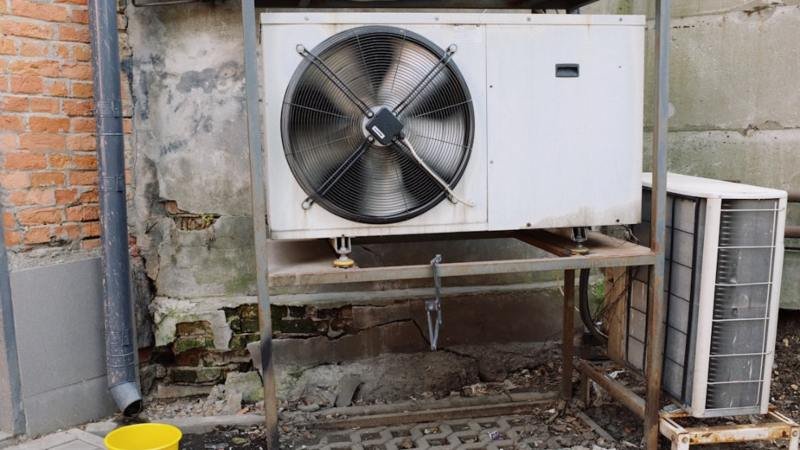
The outdoor condenser unit often sits quietly beside the house collecting leaves, grass, and windblown trash during every season. Over time that debris blocks airflow through the metal fins, forcing the system to run hotter and longer. During recent heat waves across the United States, technicians reported many failures simply because units were buried under yard waste and neglect.
Homeowners should inspect the condenser monthly during warm months. Turn the power off first, then remove leaves or trash by hand and rinse the fins gently with water. A soft brush can straighten slightly bent fins, restoring airflow. These basic tasks may feel simple, but they protect compressors that cost thousands to replace and keep cooling reliable through long summers ahead.
Short Cycling That Wears Out Equipment
Another warning sign appears when a system constantly turns on and off in short bursts, a pattern called short cycling. Extreme weather swings, which have become more common with climate change, make this problem easier to notice. The system starts cooling, quickly stops, then restarts minutes later, wearing down compressors and raising energy use without fully cooling the home.
Common causes include oversized equipment, dirty filters, low refrigerant, or malfunctioning thermostats. Replacing the filter is the fastest test, but persistent cycling deserves professional diagnosis because compressor damage spreads quickly. If ignored during a summer heat wave, the unit may fail entirely, leaving families scrambling for repairs while indoor temperatures climb above safe levels, especially for children and elderly residents.
Ignoring small HVAC problems often feels harmless until the day the system stops during the hottest afternoon or the coldest night. With extreme weather becoming normal and energy prices climbing, homeowners cannot afford that gamble. Listening for odd sounds, watching energy bills, checking airflow, and scheduling simple maintenance keeps systems reliable and homes comfortable. The effort is small compared with emergency repairs, stays and waits for technicians during heat waves.