What happens when luxury purchases begin serving both emotional and financial goals at the same time? Across markets like Scottsdale, jewelry is increasingly being viewed as more than decoration or status symbolism. Buyers are paying closer attention to craftsmanship, rarity, resale potential, and long-term value preservation. Economic uncertainty, changing attitudes toward ownership, and growing interest in tangible assets have all contributed to this shift. As investment habits evolve, the local jewelry market offers a clear look at how modern ideas about wealth, value, and luxury are changing together.
Jewelry Is No Longer Just About Fashion or Status
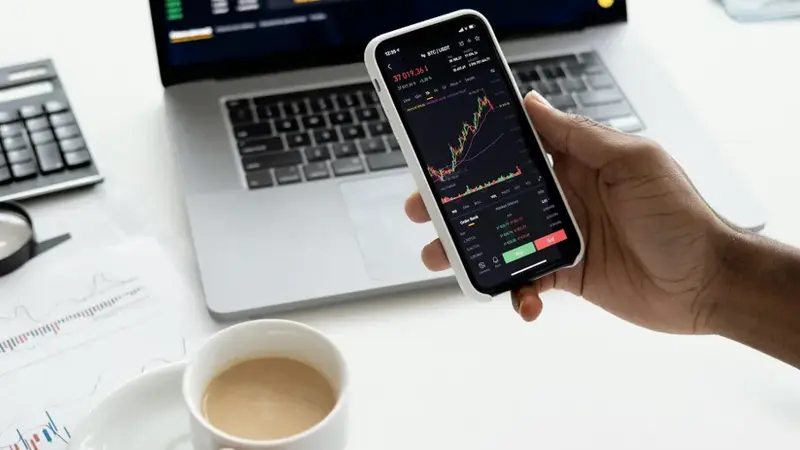
For many years, fine jewelry was mostly associated with special occasions, family traditions, or outward displays of wealth. That perception has started to shift as more buyers look at jewelry through a financial lens as well. High-quality pieces made with valuable metals and rare gemstones are increasingly being viewed as assets that can retain value over time. In some cases, jewelry offers something traditional investments cannot: the ability to physically enjoy the asset while owning it. Why leave value locked away in something purely digital when it can also be worn, collected, and appreciated in daily life?
This shift has become especially noticeable in markets like Scottsdale, where luxury spending and wealth preservation often overlap. Buyers are paying closer attention to craftsmanship, rarity, and long-term desirability rather than simply following trends. Pieces with strong resale potential or timeless design tend to attract more interest than fast-changing fashion jewelry. Many collectors now ask practical questions before purchasing: Will this piece hold demand in the future? Is the craftsmanship difficult to replicate? Does it have lasting appeal beyond current trends?
What Makes Scottsdale Such a Strong Market for High-End Jewelry
Part of Scottsdale’s strength as a jewelry market comes from the type of buyers and sellers who live in or travel through the area. The city attracts affluent residents, retirees, business owners, and seasonal visitors who often bring significant personal collections with them. Many of these collections include estate jewelry, inherited pieces, and investment-grade items accumulated over decades. This creates a steady flow of valuable jewelry entering and leaving the local market. As a result, buyers often have access to rare and unusual pieces that may not appear in more conventional retail environments.
The local culture also plays a role in shaping demand. Luxury goods are deeply connected to lifestyle in many parts of Arizona, especially in upscale communities where personal style and wealth preservation often intersect. Some buyers are motivated by aesthetics, while others focus more heavily on long-term value retention. In reality, many purchases are driven by both factors at once. The presence of experienced appraisers, estate specialists, and knowledgeable jewelry professionals also helps strengthen buyer confidence in the market.
Why Estate and Vintage Jewelry Are Suddenly in High Demand
Estate and vintage jewelry have become increasingly attractive to buyers who want something distinctive and harder to find. Mass-produced luxury items often lack the individuality that many collectors now seek. Older jewelry pieces frequently feature craftsmanship techniques that are less common today due to changes in manufacturing methods and production costs. Buyers are also drawn to the history behind these items, especially pieces connected to specific design periods or cultural influences. In many cases, the story behind the jewelry becomes part of its appeal and value.
Another reason for growing interest in estate jewelry is the broader acceptance of resale luxury markets. Buying secondhand luxury items no longer carries the stigma it once did. Instead, many consumers now view resale markets as smart and practical ways to access higher-quality items. Some buyers also appreciate the sustainability aspect of purchasing existing jewelry rather than newly mined materials. In places like Scottsdale, where estate collections frequently re-enter the market, this demand continues to grow steadily.
Younger Buyers Are Changing the Jewelry Market
Younger generations are entering the jewelry market with different priorities than many previous buyers. While status still matters to some extent, younger consumers often place greater emphasis on flexibility, resale potential, and personal meaning. Many buyers are less interested in owning large collections and more interested in purchasing fewer high-quality pieces with lasting value. Could a carefully chosen jewelry piece serve both as personal expression and long-term financial security? For many younger buyers, the answer is increasingly yes.
Technology has also changed how people research and purchase jewelry. Online marketplaces, resale platforms, and digital pricing transparency have made buyers more informed than ever before. Consumers can now compare values, study market trends, and learn about gemstones or precious metals before making major purchases. Sustainability concerns also influence buying decisions, especially among younger consumers who are more aware of ethical sourcing and environmental impact. This has helped strengthen interest in vintage, estate, and recycled luxury jewelry markets.
What Buyers and Sellers Care About More Than Ever
Modern buyers are becoming far more selective about the jewelry they purchase. Quality often matters more than quantity, especially as people become more educated about craftsmanship and long-term value. Buyers want to know whether gemstones are natural or treated, whether materials are authentic, and whether the piece has lasting market appeal. Detailed appraisals and authentication reports have become increasingly important because buyers want confidence in what they are purchasing. This growing focus on transparency is reshaping expectations throughout the industry.
Sellers are also becoming more informed and strategic. Many people now spend time researching market conditions before deciding when to sell inherited jewelry or luxury pieces they no longer wear. Timing can influence resale value, particularly when demand for certain gemstones or precious metals rises. Sellers are also paying closer attention to reputation and expertise when choosing where to sell high-value items. In a competitive market like Scottsdale, trust and credibility can significantly influence major transactions.
Trust Matters More in High-Value Jewelry Transactions
Trust has always mattered in luxury markets, but it has become even more important as jewelry prices continue rising. Buyers and sellers often deal with items worth thousands or even hundreds of thousands of dollars, making expertise essential. Accurate evaluations require deep knowledge of gemstones, precious metals, craftsmanship, and current market conditions. Without proper guidance, both buyers and sellers risk making costly mistakes. This is one reason experienced jewelry professionals continue to play such an important role in high-value transactions.
Long-standing relationships also carry significant weight in markets centered around luxury goods. People selling inherited or emotionally significant jewelry often want reassurance that they are receiving honest evaluations and fair offers. Many sellers feel more comfortable working with established local jewelry buyers who understand both the emotional and financial value tied to high-end pieces. Buyers making major purchases also want confidence in authenticity and long-term value. In areas like Scottsdale, reputation can strongly influence which professionals people choose to work with. A trusted reputation often becomes just as valuable as the jewelry itself in shaping successful transactions.
Jewelry Ownership Is Becoming More Personal and Practical
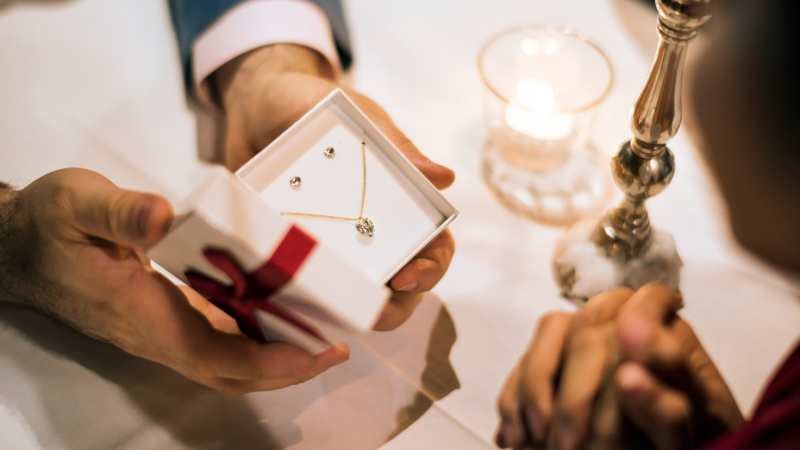
One of the biggest shifts in today’s luxury market is the growing desire for purchases that feel both meaningful and practical. Many buyers no longer want possessions that exist purely for display or status. Instead, they are drawn to items that combine emotional significance, craftsmanship, and potential financial value. Jewelry fits naturally into this mindset because it can serve multiple purposes at once. A single piece may represent personal history, artistic appreciation, and long-term asset value simultaneously.
This change also reflects a broader shift in how people define wealth and success. Ownership is becoming more intentional, with buyers focusing less on quantity and more on long-term satisfaction and usefulness. Some collectors now prefer fewer but higher-quality pieces that can hold relevance for decades. Others are drawn to jewelry that carries personal stories or historical significance rather than simply following market trends. As this mindset continues evolving, markets like Scottsdale will likely remain important centers for buyers seeking both beauty and lasting value.
Conclusion
Scottsdale’s jewelry market reflects a broader shift in how people think about ownership, investing, and long-term value. More buyers now want assets that feel personal, tangible, and capable of holding value beyond short-term trends. Jewelry continues attracting attention because it combines craftsmanship, history, emotional meaning, and financial potential in ways few other luxury assets can. Could this growing focus on wearable investments become even stronger as economic uncertainty and changing consumer priorities continue shaping the future? In markets like Scottsdale, that possibility already appears to be influencing how people buy, sell, and evaluate luxury jewelry.