
You sit down at the end of the day and realize you have been tired for hours, but you kept going anyway because stopping did not feel like an option. That kind of tired is not always fixed with sleep, and people are starting to notice that more often now.
In places like Boynton Beach, there is a growing shift in how people think about their health and overall well-being. It is less about waiting for something to go wrong and more about staying ahead of small issues before they build. You see it in daily habits, in how people spend their time, and even in the way they talk about feeling better, not just functioning.
Self-Care Is Not What It Used to Be
For a long time, taking care of yourself meant the basics. Eat well, sleep enough, and maybe exercise when you can. Those things still matter, but they do not seem to cover everything anymore. People follow those routines and still feel off, which is where the confusion starts.
Part of the change comes from how life is structured now. Work does not always stop at a set time. Notifications come in constantly. Even rest feels interrupted. So, the old version of self-care, the simple checklist, does not always match what people are dealing with day to day.
There is also more awareness now. People notice small shifts in their energy, their skin, their mood. They pay attention in ways that were not as common before. That awareness changes expectations. Feeling “fine” is not always enough anymore.
The Growing Culture of Med Spas
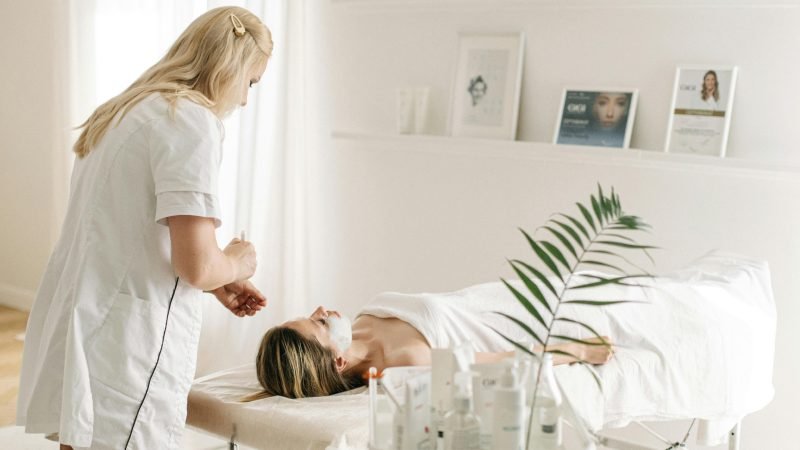
There has been a quiet move toward care that feels more personalized, less generic. Instead of relying only on broad advice, people are looking for options that address specific concerns, even if those concerns seem minor at first. In Boynton Beach med spa culture is on the rise. It is not about fixing a problem anymore. It is about maintaining a certain level of comfort or appearance that supports confidence.
This kind of care tends to sit somewhere between medical and lifestyle. It is not rushed, and it is not always urgent, but it is intentional. People want to understand what is happening with their body and respond early, rather than waiting for something to become noticeable enough to demand attention. This is where med spas enter the picture. They represent a middle ground where people can address small concerns in a more structured way, without it feeling like a major medical step. It reflects a broader shift in how care is approached.
The Shift Toward Preventing Instead of Fixing
There used to be a clear pattern. Something goes wrong, then you deal with it. That approach still exists, but it is slowly being replaced by something more proactive. People are paying attention earlier. A slight change in skin, a bit of fatigue that does not go away, small signs that would have been ignored before. It is not always about fear. It is more about avoiding disruption later.
This approach also ties into cost, which is not talked about enough. Fixing a larger problem usually takes more time and more resources. Addressing something early tends to be simpler. It is not always cheap, but it is often more manageable.
Wellness Is More Individual Now
What works for one person does not always work for another. That idea has been around for a while, but it is taken more seriously now. People are less likely to follow a single routine just because it is popular. Instead, there is more experimenting. Adjusting diet, changing sleep habits, and trying different forms of care. Some of it sticks, some of it does not. It is not always a smooth process.
Technology plays a role here. People track things more than they used to. Sleep, steps, and even stress levels in some cases. It gives a sense of control, even if the data is not always perfect. This shift toward individual care makes things more flexible, but also a bit more complicated. There is no single path that works for everyone, and that can be frustrating.
The Blurred Line Between Health and Appearance
There used to be a clearer separation between health and appearance. Now, the two overlap more than people expected. How someone looks can affect how they feel, and how they feel can show up in how they look. This is not just about aesthetics in the obvious sense. It includes things like skin condition, posture, and even how rested someone appears. These are small signals, but they carry weight in daily interactions.
People are more open about addressing these things now. Not in a dramatic way, but in a practical one. If something can be improved without much disruption, it often is. There is still some hesitation around this topic, especially in professional settings. But it is becoming more accepted, slowly.
Time Has Become a Limiting Factor
One of the biggest challenges in modern self-care is time. Not the idea of it, but the actual hours available in a day. Even when people want to take better care of themselves, fitting it into a routine can be difficult. That is why shorter, more efficient options are gaining attention. Quick treatments, flexible scheduling, and things that do not require a full-day commitment. It is not ideal, but it fits the way people live now.
There is also a shift in priorities. Some people are choosing to spend time on wellness instead of other activities. It is not always a clear trade-off, but it happens. The idea of “finding time” has changed. It is more about making space, even if that space is small.
What stands out the most is the level of awareness people have now. They notice small changes, not just in health but in how they function day to day. Energy levels, focus, comfort. These details matter more than they used to. People are looking closer, acting earlier in some cases, and trying to maintain a level of well-being that fits their daily life, even if that means adjusting along the way.