Luxury resale in Arizona has grown into something far more active and structured than many people expect. What was once a side market is now a consistent part of how people buy, sell, and manage high-value items. Changing attitudes, strong local demand, and a steady flow of goods have all contributed to this shift. Buyers are more informed, sellers are more strategic, and the overall process has become more efficient. When high-end items can be treated as both personal possessions and financial assets, is it any surprise that resale has taken off?
How Luxury Resale Went from Niche to Everyday in Arizona
Luxury resale in Arizona has moved from a quiet, niche activity into something far more mainstream. Not long ago, buying secondhand luxury carried a stigma, but that perception has shifted as more people recognize the value in high-quality, pre-owned items. Consumers have become more informed and practical, focusing less on whether something is new and more on whether it holds value. This change has made resale a normal part of how people shop and manage their assets. As a result, both buyers and sellers now approach the market with greater confidence.
Economic and lifestyle factors have also played a major role in this shift. Rising retail prices have made new luxury goods less accessible, pushing more people to explore resale options. At the same time, many households are rethinking how they use and store high-value items, choosing to sell pieces they no longer wear or need. Younger buyers, in particular, are more open to resale and often prefer it for both financial and environmental reasons. This generational shift has helped reshape the market into something more dynamic and widely accepted.
What Makes Arizona Such a Strong Market for Luxury Resale?
Arizona’s steady population growth has created a strong foundation for a thriving resale market. As more people move into the state, they bring with them a wide range of luxury goods, from jewelry to watches and accessories. This constant flow of new residents helps maintain a healthy balance between supply and demand. In addition, many areas in Arizona have well-established, affluent communities where high-value items are more common. These factors combine to create an environment where resale naturally thrives.
Seasonal residents and tourism also play a key role in keeping the market active. Many people spend part of the year in Arizona and often buy, sell, or trade luxury items during their stay. This adds another layer of movement to the market, increasing both availability and demand. At the same time, the local culture tends to value practicality alongside luxury, which makes resale a logical choice for many. People are more willing to view their items as assets rather than just possessions, which keeps the resale cycle moving.
What’s Actually Moving in the Resale Market Right Now
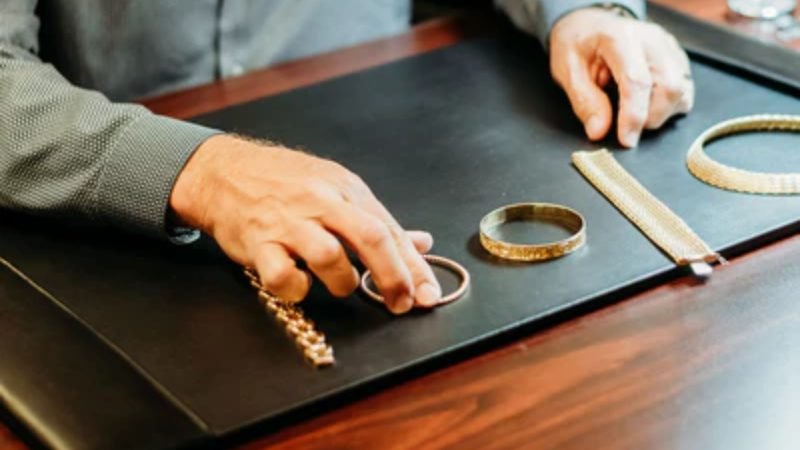
Certain categories consistently dominate the luxury resale market in Arizona. Jewelry, watches, handbags, and gold items are among the most commonly bought and sold, largely because they hold value well over time. These items are easy to evaluate, transport, and resell, which makes them attractive for both buyers and sellers. Demand often focuses on pieces that combine quality materials with recognizable craftsmanship. As a result, well-maintained items in these categories tend to move quickly.
There is also a growing interest in vintage and timeless pieces that offer something different from current retail trends. Buyers are increasingly drawn to items with character, history, or unique design elements. At the same time, sellers are learning that not all items retain value equally, especially those tied to short-term trends. Material quality, condition, and overall appeal all influence resale pricing more than original retail cost. This has made the market more selective but also more transparent.
Why Local Buyers and Experts Play a Bigger Role Than You Think
Local buyers and resale experts have become an essential part of Arizona’s luxury resale ecosystem. Their experience allows them to assess items accurately and provide realistic pricing based on current market conditions. This helps sellers avoid overpricing or undervaluing their belongings. In a market where value can fluctuate, having access to knowledgeable professionals makes a significant difference. It also adds a layer of trust that is harder to establish in purely online transactions.
Face-to-face evaluations offer additional benefits that many sellers still prefer. Being able to ask questions, understand how pricing works, and receive immediate feedback creates a more transparent experience. Instead of navigating multiple listings, some sellers prefer dealing directly with established jewelry buyers who can handle everything in one step. As a result, in-person transactions continue to play a strong role alongside digital platforms.
How Technology Is Changing the Way People Buy and Sell Luxury
Technology has expanded access to the luxury resale market in ways that were not possible before. Online platforms allow buyers and sellers to connect quickly, compare prices, and explore a wider range of items. This increased visibility has made pricing more competitive and more consistent across different markets. People can now research values before making decisions, which leads to more informed transactions. At the same time, technology has made it easier for sellers to reach potential buyers beyond their immediate area.
Social media has also influenced demand by shaping trends and highlighting specific types of items. What gains attention online often translates into increased interest in the resale market. However, many people still prefer to combine online research with local expertise before completing a transaction. This hybrid approach allows them to benefit from both convenience and reliability. As a result, technology has not replaced local markets but has strengthened and expanded them.
Why More People Are Choosing to Sell Their Luxury Items
More people are viewing their luxury items as financial assets rather than long-term possessions. Items that sit unused can be converted into cash, which makes resale an appealing option. This is especially relevant during times of economic uncertainty, when liquidity becomes more important. Selling provides a way to access value without taking on debt or making major financial changes. It also allows people to simplify their collections and focus on what they actually use.
Life changes often play a significant role in the decision to sell. Downsizing, relocations, and inherited items all contribute to increased activity in the resale market. In many cases, sellers are balancing emotional attachment with practical considerations. They may choose to keep certain meaningful pieces while selling others that no longer fit their lifestyle. This steady flow of items helps keep the market active and continuously refreshed.
The Biggest Myths About Luxury Resale (and What’s Actually True)
One of the most common misconceptions is that resale prices should closely match original retail prices. In reality, value is determined by current demand, condition, and market trends rather than what an item once cost. This often leads to unrealistic expectations among first-time sellers. Understanding how pricing works helps avoid disappointment and leads to better outcomes. It also reinforces the importance of professional evaluations.
Concerns about authenticity are another frequent issue, especially for buyers entering the market for the first time. While risks do exist, the industry has developed stronger methods for verifying items and ensuring quality. Reputable buyers and experts rely on experience and established processes to assess authenticity. This has helped build trust and confidence over time. As the market continues to mature, these concerns are becoming easier to manage.
Conclusion
Arizona’s luxury resale market reflects a broader shift in how people think about ownership, value, and financial flexibility. More individuals are choosing to buy smarter, sell strategically, and rely on a system that rewards quality and timing. The combination of local expertise, growing demand, and better access to information has made the market more reliable and accessible. As the industry continues to evolve, both buyers and sellers stand to benefit from understanding how it works. With so much opportunity already in place, could this be just the beginning of an even larger resale economy?