
Waste removal is a critical part of modern life in the United States, ensuring that cities, towns, and rural areas remain clean, healthy, and environmentally safe. With a population of over 330 million people, the country generates an enormous amount of waste every day, from household garbage to industrial byproducts. Managing this waste effectively requires a combination of infrastructure, regulation, innovation, and public participation. This article explores how waste removal works in the USA, the systems in place, the challenges faced, and the growing shift toward sustainability.
Overview of Waste Removal Systems in the USA
Waste removal in the United States is handled through a mix of public and private services. Municipal governments often manage residential waste collection, while private companies provide specialized services for businesses, construction projects, and hazardous materials. When people search for solutions like Waste Removal USA, they are typically looking for reliable services that handle everything from everyday trash to large-scale disposal needs.
The system generally involves three main stages: collection, transportation, and disposal or processing. Waste is collected from homes and businesses, transported to facilities such as landfills, recycling centers, or incinerators, and then processed accordingly. Advanced logistics and scheduling systems ensure efficiency, especially in densely populated urban areas.
Types of Waste Managed in the USA
Waste in the United States can be categorized into several types, each requiring different handling methods:
- Municipal Solid Waste (MSW): Everyday items like food scraps, packaging, and household trash.
- Recyclable Materials: Paper, cardboard, glass, plastics, and metals.
- Hazardous Waste: Chemicals, batteries, medical waste, and toxic materials.
- Construction and Demolition Debris: Concrete, wood, and metal from building projects.
- Electronic Waste (E-waste): Old computers, phones, and appliances.
Proper segregation is essential because mixing these waste types can lead to environmental contamination and increased processing costs. Many states have strict guidelines on how different waste categories should be handled.
Role of Recycling and Waste Reduction
Recycling plays a major role in reducing the volume of waste sent to landfills. Across the USA, communities are encouraged to separate recyclable materials from general waste. Recycling programs have helped conserve natural resources, reduce greenhouse gas emissions, and lower energy consumption.
In addition to recycling, waste reduction strategies are gaining popularity. These include:
- Using reusable products instead of single-use items
- Composting organic waste
- Reducing packaging materials
- Promoting circular economy practices
Many cities now offer curbside recycling and composting services, making it easier for residents to participate in sustainable waste management.
Landfills and Waste Disposal Methods
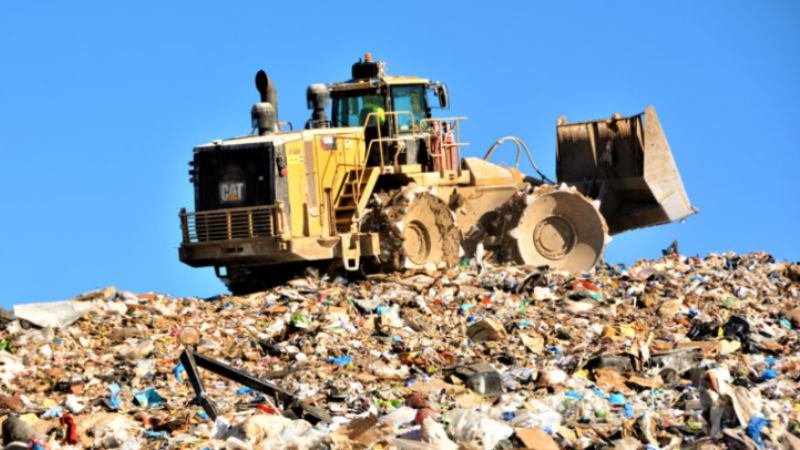
Despite efforts to reduce waste, landfills remain the primary method of disposal in the United States. Modern landfills are highly engineered facilities designed to minimize environmental impact. They include liners to prevent soil contamination, systems to collect methane gas, and monitoring equipment to detect leaks.
Other disposal methods include:
- Incineration: Burning waste to generate energy
- Composting: Breaking down organic waste into nutrient-rich soil
- Waste-to-Energy Plants: Converting trash into electricity or heat
While these methods help manage waste efficiently, they also come with environmental concerns, such as emissions and long-term land use.
Environmental and Regulatory Framework
Waste management in the USA is governed by federal, state, and local regulations. Agencies like the Environmental Protection Agency (EPA) set standards for waste handling, disposal, and recycling. Laws such as the Resource Conservation and Recovery Act (RCRA) ensure that hazardous waste is managed safely.
States often implement additional regulations tailored to their specific needs. For example, some states have strict recycling mandates, while others focus on reducing landfill usage. Compliance with these regulations is essential for waste removal companies and industries.
Challenges and Future Trends in Waste Management
The USA faces several challenges in waste management:
- Increasing Waste Generation: Growing population and consumption habits
- Recycling Contamination: Improper sorting reduces recycling efficiency
- Landfill Capacity: Limited space in certain regions
- E-waste Growth: Rapid technological advancement leads to more electronic waste
However, the future of waste removal is promising. Innovations such as smart waste bins, AI-powered sorting systems, and advanced recycling technologies are transforming the industry. There is also a strong push toward zero-waste initiatives and sustainable practices.
Public awareness is another key factor. As more people become conscious of environmental issues, they are more likely to adopt responsible waste disposal habits.
Conclusion
Waste removal in the United States is a complex yet essential system that supports public health, environmental protection, and economic stability. From collection and recycling to disposal and regulation, every step plays a vital role in managing the country’s waste effectively. Services related to Waste Removal USA continue to evolve, offering more efficient and environmentally friendly solutions to meet the growing demand.
As the nation moves forward, the focus on sustainability, innovation, and community participation will be crucial in addressing waste-related challenges. By adopting smarter practices and supporting responsible waste management systems, the USA can work toward a cleaner and more sustainable future.