
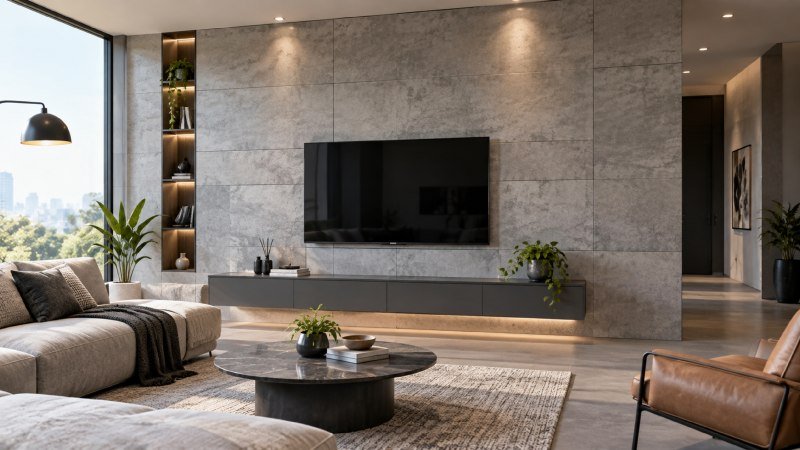
In the realm of contemporary interior design, Concrete Wall Tiles are emerging as a versatile and stylish choice for homeowners seeking to make a bold statement. Known for their durability and aesthetic appeal, these tiles can transform any space into a modern masterpiece. This article will explore how Concrete Wall Tiles can be effectively integrated into a home, focusing on texture, color, and maintenance to ensure they remain a timeless feature. Whether you’re developing a design brief or creating a mood board, understanding the nuances of Concrete Wall Tiles is essential for achieving a cohesive look in your home.
Concrete Wall Tiles as a Stylish Design Element
Concrete Wall Tiles offer a unique blend of functionality and style, making them an attractive option for modern interiors. They serve as a focal point in any room, contributing to the overall schematic design by adding depth and texture. Architects and interior designers often use CAD software to visualize the placement of these tiles within a space, ensuring they complement the existing furniture, fixtures, and equipment (FF&E). According to recent industry analysis, the use of Concrete Wall Tiles in residential design has increased by 25% over the past three years, highlighting their growing popularity.
Concrete Wall Tiles can be incorporated into various areas of a home, from living rooms to kitchens, creating a seamless transition between different spaces. Their ability to mimic natural stone or polished surfaces makes them ideal for homeowners who appreciate the aesthetic value of hardscape materials. Furthermore, they align with zoning regulations for sustainable building practices, providing an eco-friendly option that can contribute to a building’s LEED certification.
Choosing the Right Texture and Finish for Your Space
Selecting the appropriate texture and finish for your Concrete Wall Tiles is crucial for achieving the desired aesthetic. The texture can range from smooth and sleek to rough and rustic, each offering a distinct visual and tactile experience. Designers often conduct a site analysis to determine the best texture and finish that will complement the existing elements of a room, such as flooring and furniture.
Finishes can vary from matte to glossy, influencing the room’s ambiance and light reflection. A glossy finish can enhance the brightness of a space, while a matte finish can create a more subdued and sophisticated look. Additionally, understanding color theory plays a pivotal role in choosing the right finish, as the interplay of light and color can drastically change the perception of a room’s size and mood.
For those considering Concrete Wall Tiles, exploring options like Concrete Wall Tiles can provide inspiration and ideas for texture and finish combinations that align with your personal style and space requirements.
Incorporating Color and Patterns in Concrete Wall Tiles
Color and pattern choices are integral to the design process, influencing the overall vibe and aesthetic of a space. When incorporating Concrete Wall Tiles, designers often create a mood board to visualize how different colors and patterns will interact within a room. The use of bold patterns can create a dynamic focal point, while subtle hues can enhance the room’s tranquility.
Space planning is another critical aspect when considering color and patterns. Proper planning ensures that the tiles do not overwhelm the space but rather complement existing design elements. For example, using neutral colors can provide a backdrop that allows other design features to shine, whereas vibrant patterns can become the centerpiece of a room.
Recent research indicates that homeowners who incorporate colored concrete tiles into their interiors experience a 15% increase in perceived space value, demonstrating the impact of thoughtful design choices.
Maintenance and Care Tips for Longevity
Maintaining Concrete Wall Tiles is essential for preserving their appearance and ensuring their longevity. Regular cleaning with mild, non-abrasive cleaners can prevent buildup and discoloration. Additionally, applying a sealant can protect the tiles from moisture and stains, a crucial step in areas prone to humidity, such as bathrooms and kitchens.
Acoustical treatment may also be necessary in certain spaces, as concrete can reflect sound, affecting the room’s acoustics. An ergonomic assessment can help identify the best ways to mitigate any acoustical issues, ensuring the space remains comfortable and functional.
By following these maintenance tips, homeowners can keep their Concrete Wall Tiles looking pristine for years, adding value and style to their homes.
Conclusion
Concrete Wall Tiles offer a chic and contemporary solution for homeowners looking to elevate their interior design. By carefully considering texture, color, and maintenance, these tiles can become a lasting feature in any modern home. For those seeking to enhance their living spaces, Concrete Wall Tiles provide a versatile and sustainable option that aligns with current design trends and practices.