
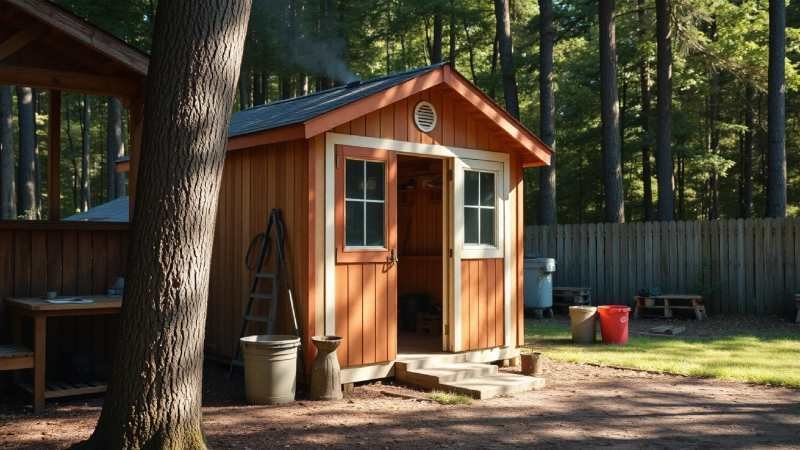
When your backyard shed doubles as a storage space for tools, gasoline, and paints, it’s more than just a convenience—it’s a potential fire hazard if not managed properly. Whether you have a small wooden storage unit or a durable resin shed kit from Keter, fire safety should be your top priority. Proper precautions not only protect your property but also keep your loved ones and neighborhood safe.
Understand What Puts Sheds at Risk
Many homeowners underestimate how easily a shed can become a fire trap. The most common causes of shed fires include improperly stored fuels, oily rags, hot tools, and poor ventilation. Even a single spark from a power tool or a burst of summer heat can trigger ignition if flammable vapors are present.
Before jumping into prevention strategies, take inventory of what’s inside your shed. Identify which materials might ignite easily—such as propane tanks, lawnmower fuel, solvents, or aerosol cans—and note where they’re located.
Store Fuels and Chemicals Safely
When it comes to storing gasoline, pesticides, or paint thinner, extra care goes a long way.
Follow these guidelines:
- Always keep flammable liquids in their original, clearly labeled containers. Never transfer them into random plastic bottles or jars, which may leak or react with certain chemicals.
- Choose a cool, dry, ventilated area away from direct sunlight. Avoid stacking multiple containers close together—airflow helps prevent vapor buildup.
- Use a metal or flame-resistant storage cabinet for flammable materials. If your shed is small, designate a corner or install a wall-mounted cabinet specifically for these substances.
- Dispose of old or half-empty containers responsibly at your local hazardous waste facility. Aging fuels or chemicals can become unstable over time.
Pro tip: Store propane tanks and large fuel containers outside your shed when possible, ideally under a protective awning or in a ventilated outdoor cabinet.
Control Electrical Hazards
Electricity is another frequent trigger in shed fires—especially in spaces used for workshops or DIY projects.
Safe electrical setups are critical:
- Use outdoor-rated extension cords and avoid daisy-chaining multiple power strips.
- Don’t overload sockets, and unplug tools when not in use.
- Inspect cords for cracks, frays, or exposed wiring. Replace damaged cables immediately.
- If you work with power tools regularly, install a grounded outlet and circuit breaker designed for outdoor use.
- Keep flammable materials away from outlets, heaters, and other sources of sparks.
Battery-operated tools are convenient, but lithium-ion batteries can pose risks if left charged near combustible materials. Store them in a temperature-controlled environment and follow the manufacturer’s charging guidelines.
Maintain Proper Ventilation
Ventilation might not seem directly related to fire safety—but it’s vital for preventing vapor accumulation. Paints, fuels, and sprays emit gases that can easily ignite. A well-ventilated shed should have air vents or openings near the roof and floor to allow crossflow. If your shed doesn’t have natural airflow, consider installing a small vent fan to keep fumes from building up. This one-time investment can significantly reduce fire risk and improve air quality.
Implement a “No Fire” Policy
Even small flames are dangerous around flammable materials. That includes candles, cigarettes, grills, and any open fire. Make your shed a designated “no open flame zone.” Post a small sign if multiple people use the shed—especially if family members, tenants, or neighbors have access.
Also, avoid running engines—like lawnmowers or chainsaws—inside the shed. Exhaust heat and vapors can quickly turn a routine maintenance task into a dangerous situation.
Add a Fire Extinguisher and Smoke Alarm
Many homeowners forget to equip their sheds with basic fire safety tools. A compact, multi-purpose (ABC-rated) fire extinguisher can help you stop small fires before they spread. Mount it near the door, where it’s visible and accessible even in an emergency.
If your shed has electricity or houses valuable tools, install a battery-operated smoke alarm or heat detector. Test it monthly and replace batteries twice a year. This small addition provides early warning in case something goes wrong.
Regular Housekeeping Makes a Big Difference
Cleanliness is a surprisingly strong defense against fires. Cluttered sheds create extra fuel for flames and make it harder to escape in an emergency.
Follow these maintenance habits:
- Sweep the floor regularly to remove sawdust, which is highly combustible.
- Keep oily rags in a sealed metal container, not tossed in a pile.
- Check shelves for leaks or corrosion on chemical containers.
- Remove trash and recyclables promptly, especially cardboard boxes.
Think of it as spring cleaning with a safety twist—every tidiness task reduces risks.
Choose Fire-Resistant Materials When Possible
If you’re building or upgrading a shed, select fire-resistant materials. Pressure-treated lumber, resin panels, and metal roofing can dramatically slow the spread of fire. Some modern sheds are designed with heat-resistant coatings or ventilation systems that actively reduce the risk of ignition.
For example, a resin shed kit offers durable construction that won’t warp or corrode and is easier to clean than wood. Choosing nonflammable materials upfront is one of the best long-term safety decisions you can make.
Protect What Matters
Your storage shed is an extension of your home’s functionality—and deserves the same level of protection. By combining smart storage habits, good organization, and routine maintenance, you can drastically reduce the risk of a fire.
Take a weekend to review your setup, make any needed adjustments, and educate everyone who uses the space. Fire prevention starts with awareness and a few smart decisions that help safeguard your tools, property, and peace of mind.