
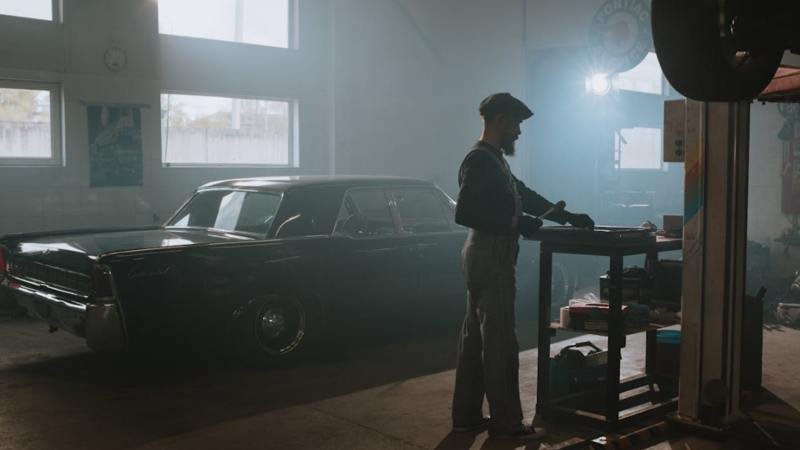
Have you ever opened your garage and wondered whether it is actually safe, or just familiar? For many households across the United States, the garage has quietly become the most overworked space in the home. It stores cars, tools, bikes, delivery boxes, and sometimes half-finished projects. As more people work from home and rely on online shopping, garages are busier than ever. Keeping that space well maintained is not just about appearances. It protects your family, extends the life of expensive equipment, and prevents small issues from turning into costly repairs.
The Garage Is the Most Ignored Room in the House
Most homeowners take care of kitchens and living rooms but rarely think about their garage until something stops working. That neglect shows up in loose bolts, worn springs, and clutter that slowly turns a useful space into a hazard. A garage should function smoothly because it is one of the most frequently used entry points to the home.
Recent trends make this even more important. Americans now keep cars longer due to high vehicle prices and supply shortages, which means garages see daily use for many years. Regular maintenance protects both the vehicle and the space around it. A simple monthly check of moving parts, tracks, lighting, and storage areas can prevent expensive problems later.
Pay Close Attention to the Door System
Garage doors are heavy mechanical systems, and even small problems can create safety risks. The overhead door operates with springs, cables, and rollers that handle hundreds of pounds of weight every time it opens. When one component begins to wear down, the entire system can become unstable.
Check rollers for cracks, listen for grinding noises, and tighten any loose hardware along the track. Lubricating metal parts with a garage-door-safe lubricant every few months helps the system run smoothly. A door that shakes, jerks, or struggles to open is not just annoying. It is a warning sign that something inside the system is wearing out.
Keep the Tracks Clean and Properly Aligned
The tracks guide the door as it moves up and down, so even small debris can interfere with smooth motion. Dust, leaves, and tiny stones often build up in the lower section of the track, especially in areas where wind or outdoor traffic brings in dirt.
Wipe the tracks with a damp cloth every few months and inspect them for bends or dents. If the track begins to shift out of alignment, the door may rub against the metal surface and cause strain on the opener. That strain can shorten the life of the motor and increase the chance of sudden failure.
Organize Storage to Prevent Hidden Hazards
A cluttered garage is not just inconvenient; it can also create real safety risks. Many garages store tools, chemicals, and heavy equipment in unstable piles that may fall or leak over time. With more people turning garages into home gyms or workshops, the risk of accidents increases.
Install wall shelves, ceiling racks, or pegboards to keep items off the floor. Store chemicals like paint and fuel in sealed containers and away from heat sources. Clear walkways so that entering the garage at night or during bad weather does not turn into an obstacle course.
Inspect Weather Seals and Insulation
The rubber seal along the bottom of the garage door plays an important role in keeping out water, pests, and cold air. Over time, this seal can crack, flatten, or detach from the door. Once that happens, rainwater and debris can easily enter the garage.
Replacing a worn weather seal is inexpensive and takes little time. Insulated doors also help regulate temperature inside the garage, which protects stored items and reduces energy loss if the garage connects directly to the home. With energy costs rising nationwide, better insulation is becoming a practical investment.
Improve Lighting and Visibility
Garages often have poor lighting, which makes maintenance and daily use more difficult than it should be. Dim corners hide leaks, rust, and clutter that could otherwise be spotted early.
Switching to bright LED lighting improves visibility while reducing electricity use. Motion-activated lights near the entrance also increase safety when arriving home at night. Good lighting may seem like a small upgrade, but it changes how people interact with the space. A well-lit garage encourages better organization and makes routine inspections much easier.
Keeping a garage safe and smooth to operate does not require complicated tools or professional training. What it does require is attention and consistency. As homes continue to serve more roles in modern life, the garage is evolving from a simple storage area into a busy extension of the household. Regular maintenance ensures that this hardworking space remains reliable rather than becoming the source of the next unexpected repair bill.