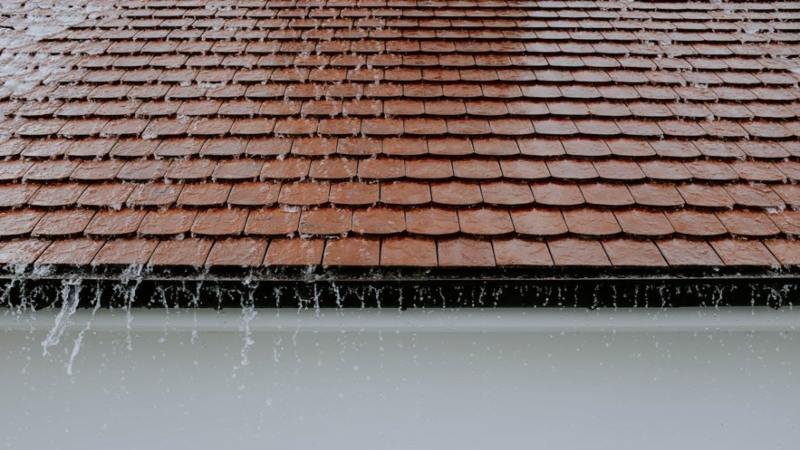
Have you ever checked the weather app and felt personally targeted? One week it is heavy rain – the next, it is record heat. Then comes a surprise cold snap. Modern homeowners live in an age of weather extremes. In places like Huntsville, Alabama, families see strong storms, humid summers, and shifting seasonal patterns that test every part of a house. The forecast no longer feels like small talk.
It feels like a planning tool.
Across the country, headlines focus on hurricanes, wildfires, flash floods, and rising insurance costs. Climate patterns are changing. Homes that once handled mild conditions now face stronger winds and heavier rain. At the same time, many families work from home and rely more on their space for comfort and productivity. A roof leak or power outage is no longer just inconvenient. It disrupts school, work, and daily routines.
Weather-smart living is about preparation, not panic. It means designing habits and systems that reduce damage before storms arrive. It also means using smart upgrades to protect long-term value. In this blog, we will share practical and realistic strategies that help homeowners strengthen their homes, lower risk, and stay ready for whatever the forecast brings next.
Start at the Top With Roof Protection
Every weather plan should begin with the roof. It shields everything beneath it. When it fails, the damage spreads quickly.
Inspect your roof twice a year. Look for missing shingles, cracked flashing, or dark patches. After strong storms, check for debris buildup. Small issues can turn into leaks during the next downpour.
Schedule professional inspections if you notice wear. Working with a reputable Huntsville roofing company ensures that weak spots are identified early. Professionals can spot hidden damage and recommend repairs before problems grow. Preventative care costs less than emergency restoration.
Keep gutters clean. Leaves and debris block water flow. Overflowing gutters allow water to seep into walls and foundations. Clean them at least twice a year, and more often if trees surround your home.
Consider impact-resistant shingles if you live in storm-prone areas. These materials handle hail and strong winds better than standard options. Upgrading once may prevent multiple repairs later.
Roof care is not glamorous. Yet it is one of the most powerful weather-smart decisions a homeowner can make.
Strengthen Windows and Doors
Windows and doors are common entry points for wind and water. They also affect energy efficiency.
Inspect seals around frames. Cracked caulking lets water seep inside. Reapply sealant where gaps appear. Replace worn weather-stripping to block drafts. Consider storm shutters if severe storms are frequent. They protect glass from flying debris. For a more subtle option, install impact-rated windows.
Upgrade exterior doors to solid-core designs. They resist warping and offer better insulation. Reinforce door frames and hinges to improve stability during high winds.
These changes improve comfort year-round. They also lower heating and cooling costs.
Manage Water Before It Manages You
Water damage is one of the most expensive home repairs. Smart drainage reduces risk.
Check the slope around your foundation. Soil should angle away from the house. This prevents pooling during heavy rain.
Install downspout extensions. Direct water several feet away from the structure. Add splash blocks if needed. Consider a sump pump if your basement is prone to flooding. Test it before storm season. Backup battery systems provide extra protection during power outages.
Inspect plumbing for leaks. Small drips increase moisture levels and encourage mold growth. Fix minor leaks quickly.
Water management is not dramatic. It is steady prevention.
Improve Insulation and Ventilation
Extreme heat and cold strain HVAC systems. Proper insulation reduces that burden.
Check attic insulation levels. Add more if coverage looks thin. Insulation keeps indoor temperatures stable and lowers energy bills. Seal air leaks around outlets and attic hatches. Use foam sealant or weather-stripping.
Ventilation matters too. Attic vents allow hot air to escape in summer. In winter, they reduce moisture buildup. Balanced airflow protects roofing materials and interior spaces.
Energy-efficient upgrades pay off over time. They also increase comfort during unpredictable weather swings.
Prepare for Power Disruptions
Storms often bring power outages. Plan ahead to reduce disruption.
Keep flashlights and extra batteries accessible. Avoid relying solely on phone light. Charge portable power banks before severe weather arrives.
Consider a standby generator if outages are frequent. Even a small unit can power refrigerators and essential devices.
Unplug sensitive electronics during lightning storms. Surge protectors add another layer of safety. Discuss emergency plans with family members. Identify safe spaces in the home during severe weather. Practice simple drills so everyone knows what to do.
Preparedness reduces fear. It replaces uncertainty with action.
Maintain Outdoor Spaces
Yards and driveways can cause damage if neglected. Trim tree branches away from the roof. Strong winds can snap limbs and cause impact damage.
Secure outdoor furniture before storms. Store lightweight items in garages or sheds. Inspect fences and gates. Loose panels can become hazards in high winds. Clear debris from storm drains near your property. Proper drainage protects both your home and the surrounding area.
Outdoor care supports overall protection.
Build Weather-Smart Habits
Weather-smart living is not a one-time project. It is an ongoing routine.
Set seasonal reminders for inspections. Keep records of repairs and upgrades. Review insurance coverage annually to confirm adequate protection.
Encourage family awareness. Teach children basic safety practices during storms. Keep emergency contacts visible.
Small habits create resilience. Over time, they protect both property and peace of mind.
Weather patterns may continue to shift. Forecasts may grow more dramatic. Yet preparation remains steady and practical. By strengthening roofs, sealing windows, managing water, and planning for outages, homeowners create layers of defense.
Weather-smart living is not about fearing storms. It is about respecting them. When preparation meets awareness, modern homes stand stronger against whatever the sky decides to deliver.